PKYDrip provides a modular irrigation automation solution designed for open-field farms, orchards, and project-based irrigation upgrades.
The system organizes irrigation through a structured architecture combining:
- pump automation
- multi-zone valve control
- irrigation scheduling
- optional sensors and monitoring
- future fertigation integration
Instead of relying on manual switching and fragmented operation, irrigation can be managed through a stable control workflow suitable for larger farms and contractor projects.
Common Challenges in Open Field Irrigation
Many farms still rely on manual valve operation or basic timers.
This approach becomes difficult when irrigation areas grow larger or when multiple irrigation zones must share one pump.
Typical challenges include:
- one pump serving many irrigation zones
- manual switching of valves across the farm
- inconsistent irrigation timing
- difficulty coordinating irrigation schedules
- limited visibility when operators are off-site
- future expansion requirements
PKYDrip helps organize irrigation into a clear control structure that is easier to operate and expand.
Suitable Applications
This system is suitable for:
- open field crop irrigation
- orchard irrigation projects
- irrigation retrofit upgrades
- contractor irrigation installations
- farms moving from manual irrigation to automation
The architecture is designed for project-based irrigation systems, rather than small garden irrigation.
Typical System Architecture
A typical open field irrigation system contains both hydraulic infrastructure and a control layer.
Core components usually include:
- water source
- pump system
- filtration system
- irrigation controller
- zone valves
- irrigation zones
Optional modules may include:
- wireless field controllers
- soil moisture sensors
- pressure monitoring
- flow monitoring
- fertigation systems
- cloud communication
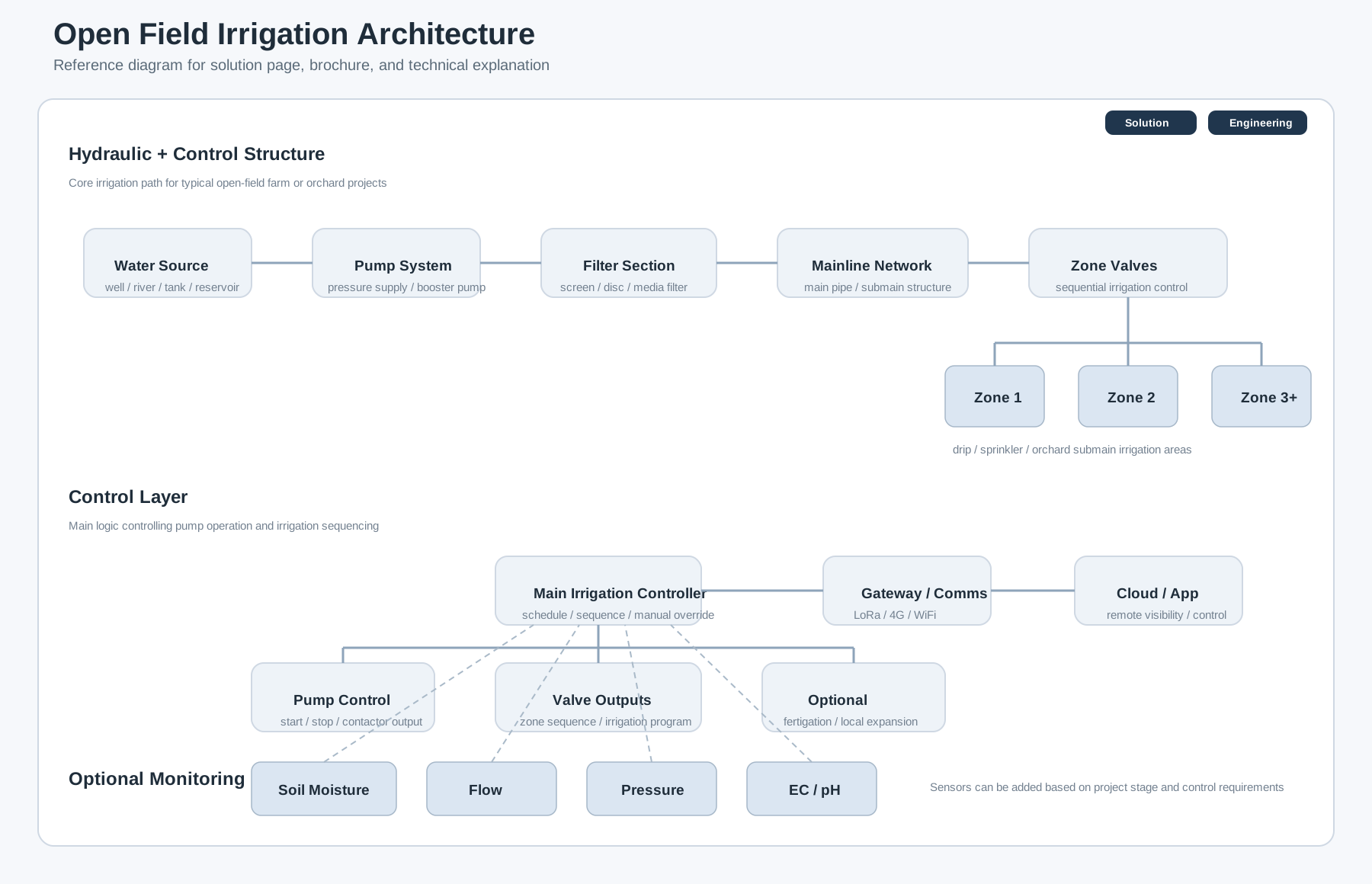
Main System Components
Central Irrigation Controller
The irrigation controller manages the core system logic.
Typical functions include:
- irrigation scheduling
- pump control
- zone sequence control
- manual override
- integration with sensors
- communication modules
The controller acts as the central brain of the irrigation system.
Field Control Devices
For larger farms, remote control modules can be placed closer to irrigation zones.
This helps reduce wiring complexity and allows more flexible installation across large irrigation areas.
Depending on the project, communication may use:
- RS485
- LoRa wireless
- 4G gateway connection
Sensors and Monitoring
Sensors can improve irrigation visibility and decision making.
Common sensor types include:
- soil moisture sensors
- flow sensors
- pressure sensors
- EC / pH sensors (for fertigation systems)
These devices allow irrigation systems to respond to real field conditions.
Pump and Valve Control
The control system interfaces directly with irrigation hardware.
Controlled equipment may include:
- irrigation pumps
- solenoid valves
- electric valves
- relay outputs
- pump contactors
This layer connects digital control logic with the physical irrigation system.
How Sequential Irrigation Works
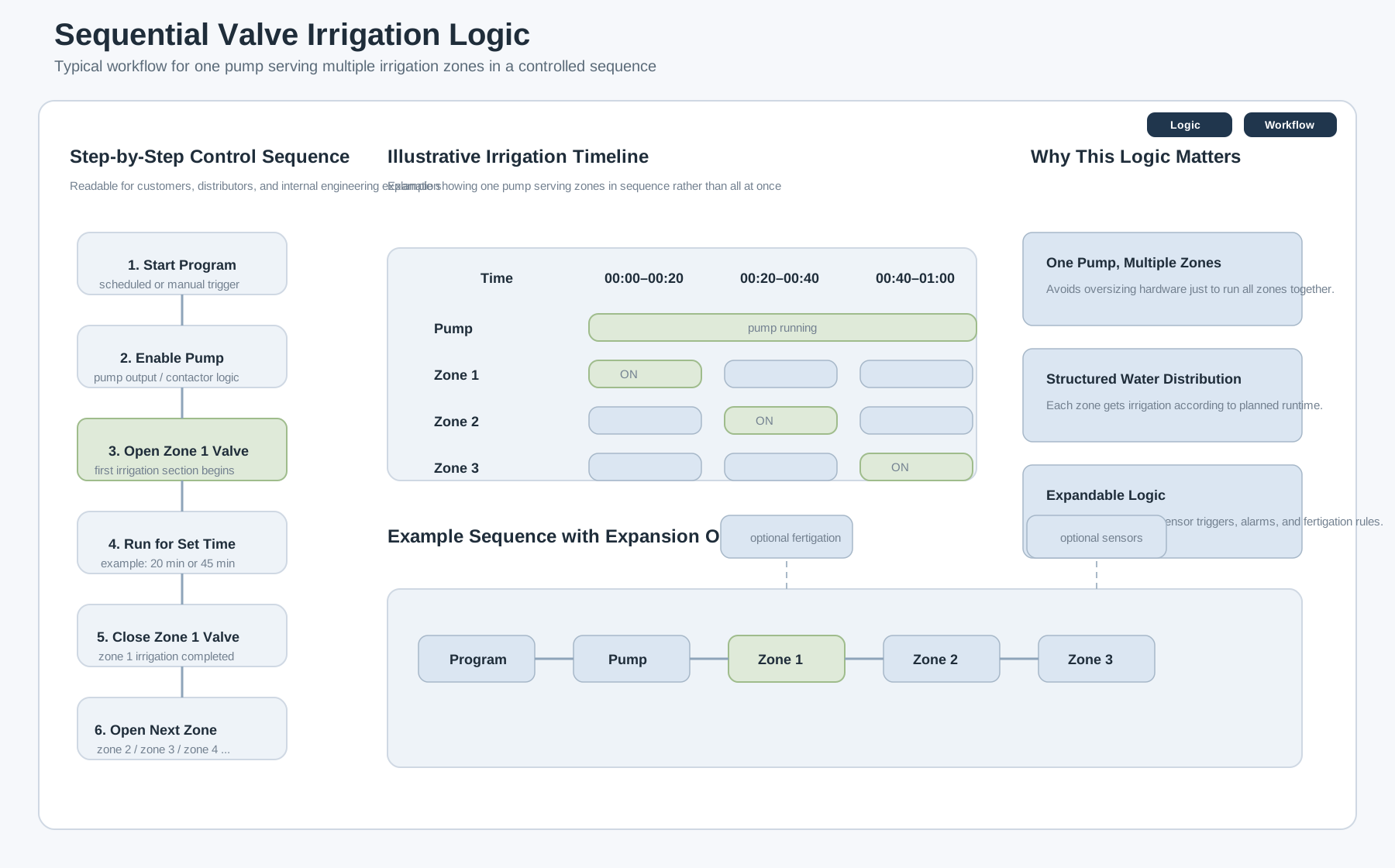
Open field irrigation often uses sequential valve control logic.
Instead of running all zones simultaneously, irrigation runs one zone after another.
Typical sequence:
- pump starts
- zone 1 valve opens
- zone 1 runs for the scheduled duration
- zone 1 closes
- zone 2 opens
- irrigation continues through all zones
- system stops automatically
This method helps match pump capacity with irrigation demand.
Additional logic may include:
- weekly irrigation programs
- sensor-triggered irrigation
- flow alarms
- fertigation control
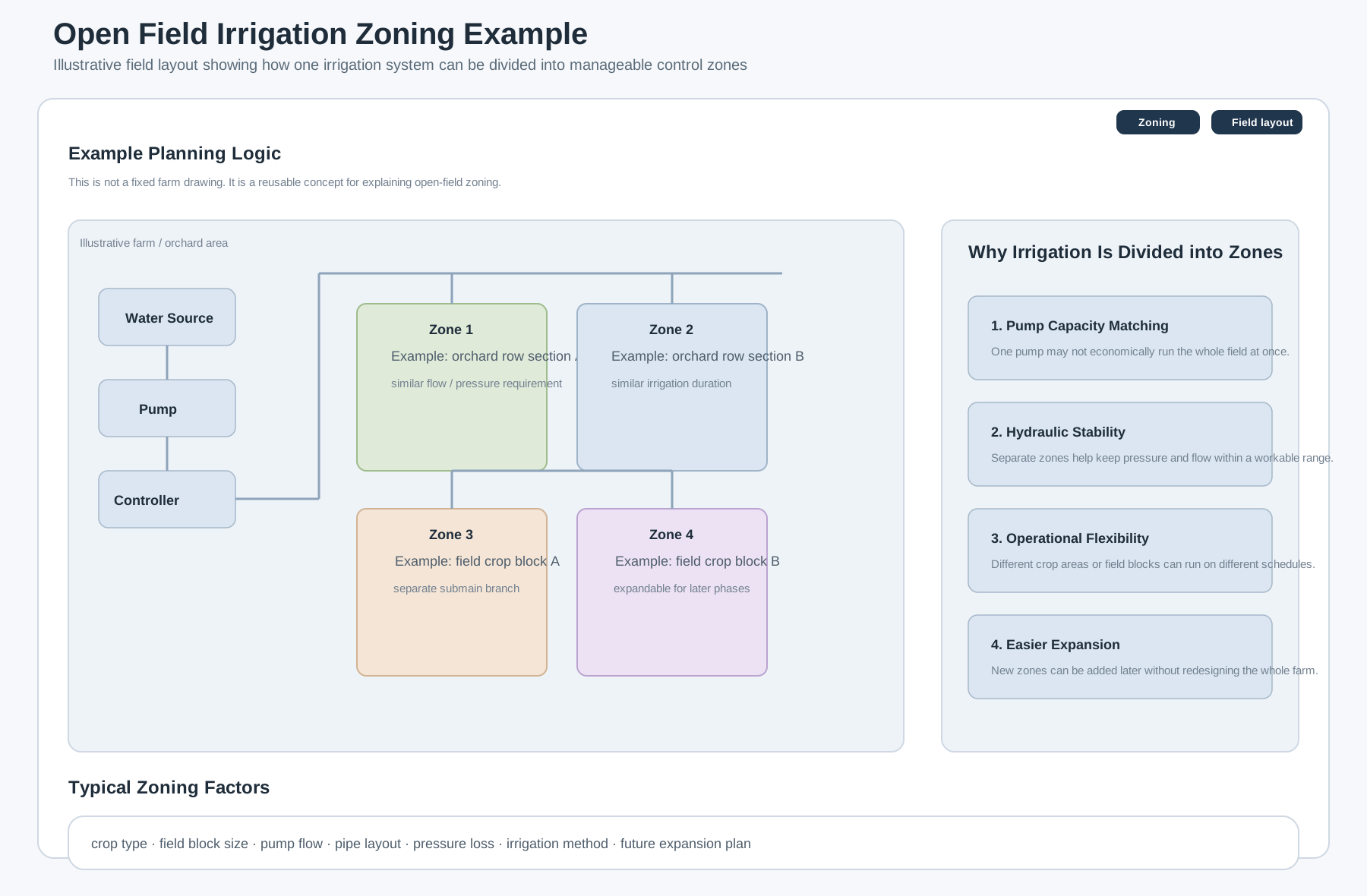
Example Irrigation Zoning
Large irrigation areas are usually divided into zones based on:
- pipe layout
- pump capacity
- crop layout
- irrigation method
- future expansion plans
Zoning improves irrigation efficiency and simplifies management.
Related Applications
The same architecture can be adapted for:
Orchard Irrigation
Tree crop irrigation requiring multiple irrigation zones.
Field Crop Irrigation
Large area irrigation with drip or sprinkler systems.
Irrigation Retrofit Projects
Automation upgrades for existing irrigation infrastructure.
Planning an Open Field Irrigation Project
When planning a project, useful information includes:
- irrigation area
- water source
- pump power or flow rate
- number of irrigation zones
- irrigation type (drip / sprinkler)
- whether remote monitoring is needed
- whether fertigation expansion is planned
Providing these details allows a more accurate irrigation system design.
Contact the PKYDrip engineering team to discuss your irrigation project.
Discuss Your Irrigation Project
If you are planning an irrigation system upgrade or a new farm irrigation project, feel free to contact the PKYDrip team.
Providing basic information such as farm size, pump power, irrigation zones, and water source will help us suggest a suitable system structure.