
Open Field
Multi-zone drip, sprinkler, or rain-pipe irrigation from a central pump station.
View application →Build a coordinated irrigation control structure for pumps, valves, field zones, schedules, and monitoring instead of operating each device separately.
Most irrigation control projects begin with operational problems, not with a controller model number. The system should solve how water is delivered, sequenced, supervised, and expanded.
Operators spend time opening and closing valves by hand, and irrigation timing depends on who is available on site.
Pumps may run without clear valve status, pressure feedback, or shutdown logic, increasing risk and energy waste.
Multiple blocks, crops, and irrigation durations become hard to manage with scattered timers or manual records.
New field blocks, orchards, or greenhouse areas need a structure that can grow without rebuilding the whole system.
Farm managers cannot easily see which zone is running, whether the pump has started, or what happened during previous cycles.
A typical irrigation control system connects the water source, pump, mainline, valves, field zones, controller, and optional monitoring points into one coordinated control layer.
The controller coordinates irrigation as a sequence, so pump operation and valve operation follow the same plan. This keeps irrigation zones organized and reduces the chance of running equipment out of order.
The same irrigation control architecture can be adapted for different farm and landscape environments.
Multi-zone drip, sprinkler, or rain-pipe irrigation from a central pump station.
View application →
Block-based irrigation with pump coordination, valve sequencing, and optional wireless expansion.
View application →
Pump and valve control linked with fertigation, crop zones, and local operator control.
View application →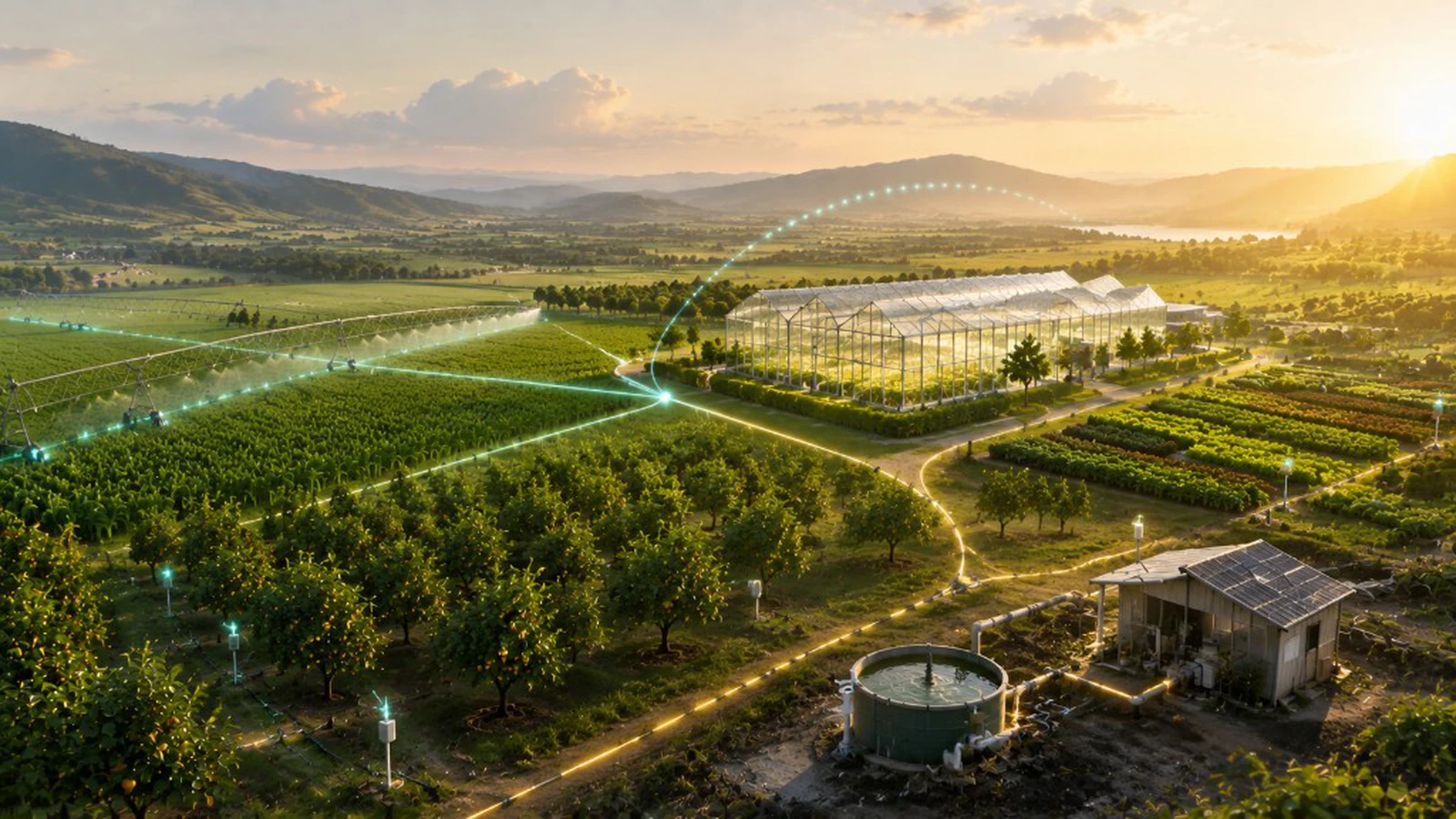
Scheduled irrigation for parks, gardens, sports fields, and distributed landscape zones.
View application →Products are selected to support the irrigation control architecture. The final configuration depends on pump type, valve quantity, field distance, monitoring needs, and installation conditions.
Wired main controller for schedules, zones, logic coordination, and system integration.
View module →LoRa gateway for connecting wireless field devices into the irrigation control network.
View module →Data acquisition terminal for reporting flow, pressure, soil moisture, weather, or water level data.
View module →An irrigation control system should help the customer build a clear operating structure first. Controller models, wireless modules, and sensor terminals are selected after the pump, valve, zone, and monitoring logic is understood. PKYDrip supports modular expansion into fertigation, wireless field control, and greenhouse climate integration when the project requires a unified automation platform.
Tell us your farm size, pump type, number of irrigation zones, valve distance, and monitoring requirements. PKYDrip can recommend a suitable irrigation control architecture before product selection.
Send Project Details on WhatsAppAvailable in:
Regional markets