Before you start
This tool helps you organize your irrigation project clearly (layout, water source, crop type, and irrigation method).
After you generate a summary in the Project Input form on this page, you can send it to our team on WhatsApp for a preliminary, project-oriented discussion (typical response time and scope depend on workload; this is not a formal engineering deliverable).
Planning workflow on this page
- Plan — Use the structured Project Input form below this section to summarize your project.
- Send — Generate the summary, then share it via WhatsApp so we can look at your inputs.
- Discuss — General discussion points on layout, pumping, zoning, and automation options (early-stage guidance only—not a final stamped engineering design or certified calculation).
Irrigation Design Wizard for New Farms and Projects
Plan your irrigation system based on farm size, water source, and irrigation method.
Get a practical direction for pumps, valves, and irrigation zones.
Designed for real agricultural projects, not theoretical models.
What This Tool Helps You Do
- Suitable for new farms and early-stage irrigation planning
- Helps you structure pump, valve, and zoning topics for further discussion (not automated hydraulic sizing)
- Useful for discussions with suppliers and contractors
Build a basic project summary in minutes
You do not need full engineering data to start. The output is a text summary, not a drawing set or hydraulic calculation.
- Enter your farm size
- Select crop type
- Choose water source
- Indicate irrigation method
This tool helps you structure your project clearly and prepare for real implementation.
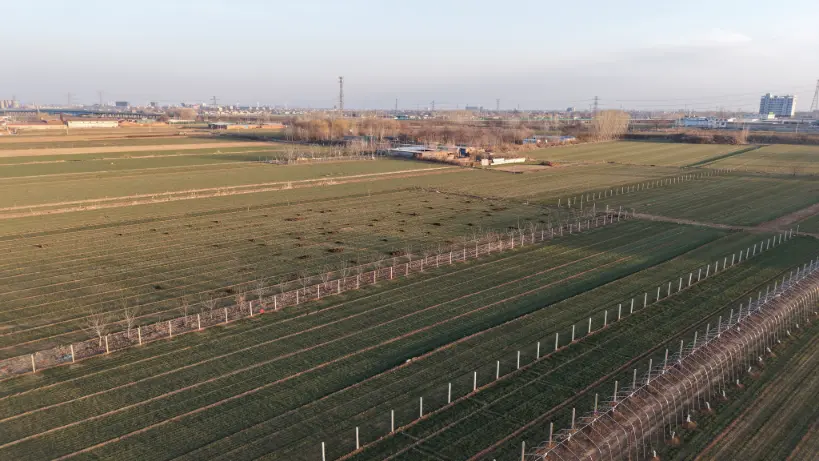
What this wizard helps you do
This wizard helps you:
- Define the project type
- Organize farm and water source information
- Plan irrigation method and zoning direction
- Identify new build vs. upgrade scenarios
- Prepare a clear request for technical discussion
The result is not a final engineering design.
It is a practical planning reference for early-stage decisions.
Already have an existing system?
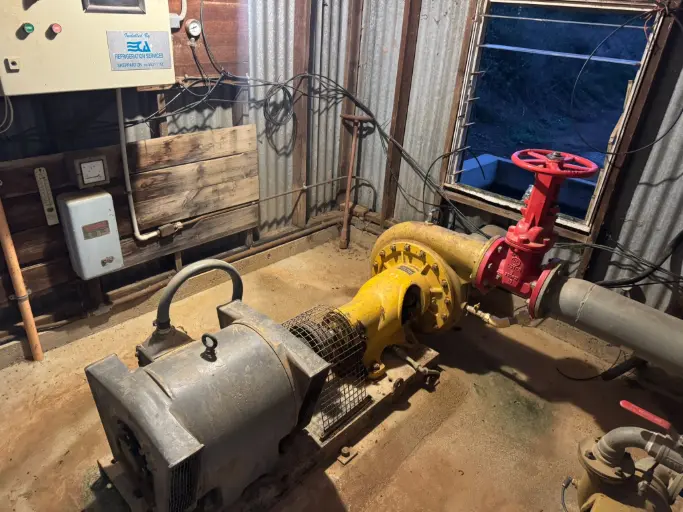
If your farm already has:
- A well
- A pump
- A pipeline system
- A manual irrigation setup
And your goal is to improve control or automation, you may not need to rebuild everything.
👉 Upgrade Existing Irrigation Systems Without Rebuilding Everything
This page is especially useful if you want to improve an existing system instead of starting from zero.
Start with the simple version
Most users do not need a full engineering form at the first step.
If you already have an irrigation idea or an upgrade requirement, you can contact us on WhatsApp first.
If you prefer a more detailed technical process, continue with the structured inputs below.
When to use this page
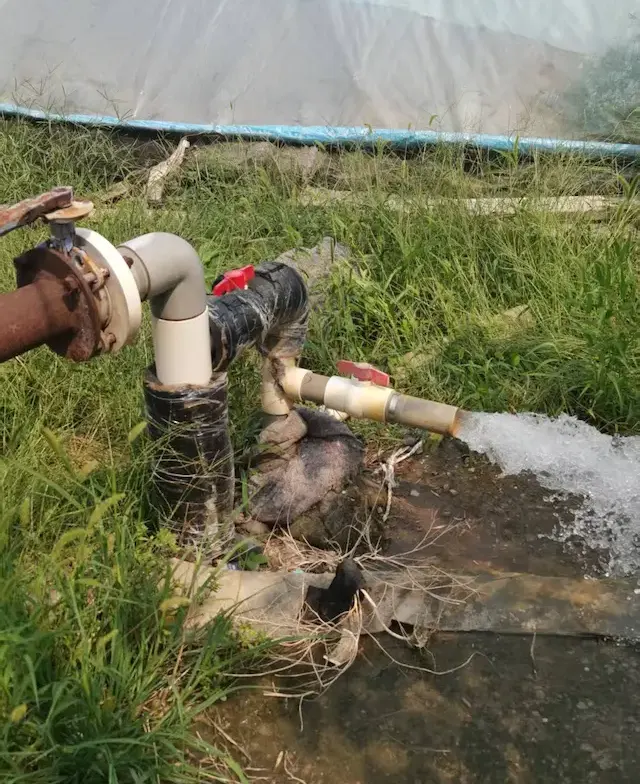
Use this wizard if your project is still in the planning stage:
- Planning a new orchard irrigation system
- Starting an open-field irrigation project
- Evaluating irrigation methods for greenhouse cultivation
- Discussing pump, zoning, or controller logic
Start your irrigation planning
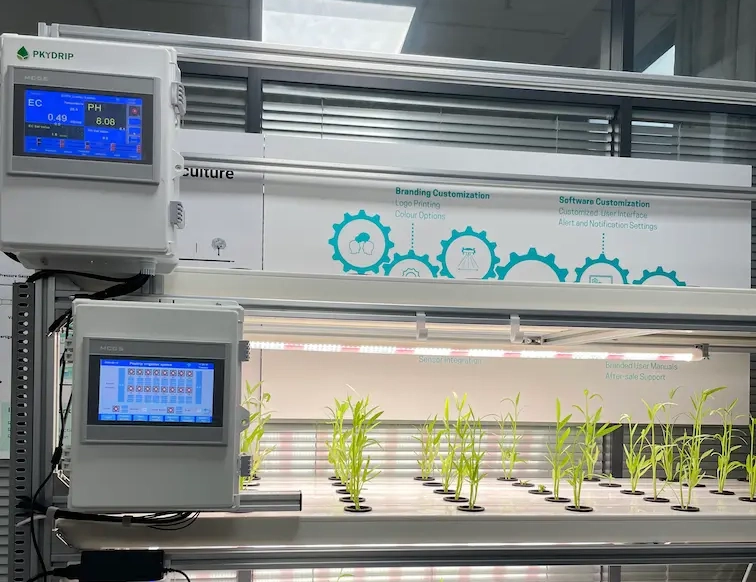
For simple projects, start with WhatsApp communication first.
For technical users or engineers, the planning form below can be used as a structured input tool.
Next on this page
Continue below this introduction for the project CTA (WhatsApp + jump to the form), then the interactive Project Input form.
After you generate a summary, use Send to WhatsApp in the form to share it with our team for a preliminary discussion.
Discuss your irrigation project (preliminary)
Share your farm size, water source, pump information, and goals. We can discuss general direction for pumps, valves, and irrigation zones—subject to site verification. This is not a substitute for local engineering sign-off where required.
- Suitable for new farms and early-stage irrigation planning
- Helps structure topics for pump, valve, and zone discussions
- Contact us on WhatsApp with your project details
Project Summary
General discussion points
Recommended Next Step
Important Note
This summary is a practical planning reference for early discussion only. It is not a hydraulic calculation, certified design, or substitute for qualified on-site engineering. Final equipment and pipe sizing must be validated for your actual pipe lengths, elevation, pressure, flow, and local regulations.